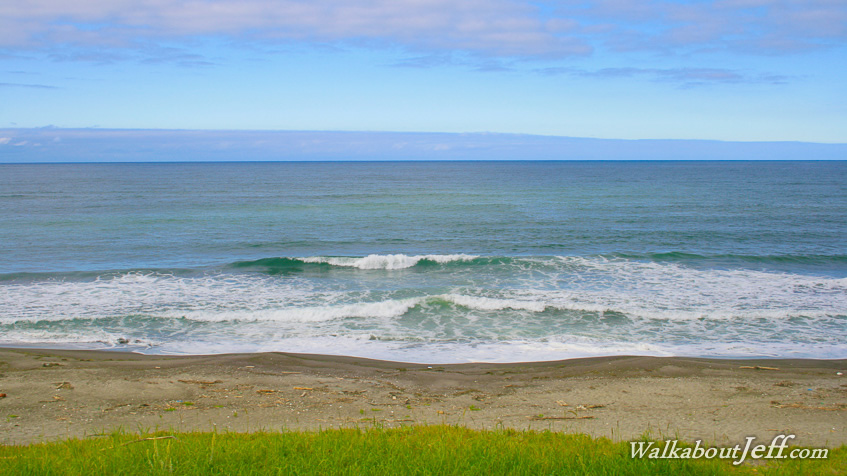
Introduction to today's journey
Abashiri, nestled on Hokkaido's remote north easter coast along the Sea of Okhotsk, boasts a history as captivating as its scenic surroundings. Possibly the most interesting is the notorious Abashiri Prison, established in the late 19th century for housing political dissidents in its extremely harsh conditions. Beyond its penal legacy, Abashiri is renowned for its connection to the Sea of Okhotsk, where ice floes dance in winter, creating a mesmerizing landscape. Adding to the area's mystique are the nearby forests of Akan, where the elusive "Ezo Spruce" grows, essential for crafting Japan's famed Abashiri pianos. This blend of natural beauty, historical intrigue, and cultural craftsmanship makes Abashiri a compelling destination for travellers seeking to uncover Hokkaido's roads less travelled.
Today's journey takes me to the old Abashiri Prison where Japan's most notorious criminals were once locked up. From there we follow the coast exploring a bay along the Sea of Okhotsk before heading inland exploring the mysterious forests and lakes of Midori before heading to nearby Kiyosato.
Today's Journey
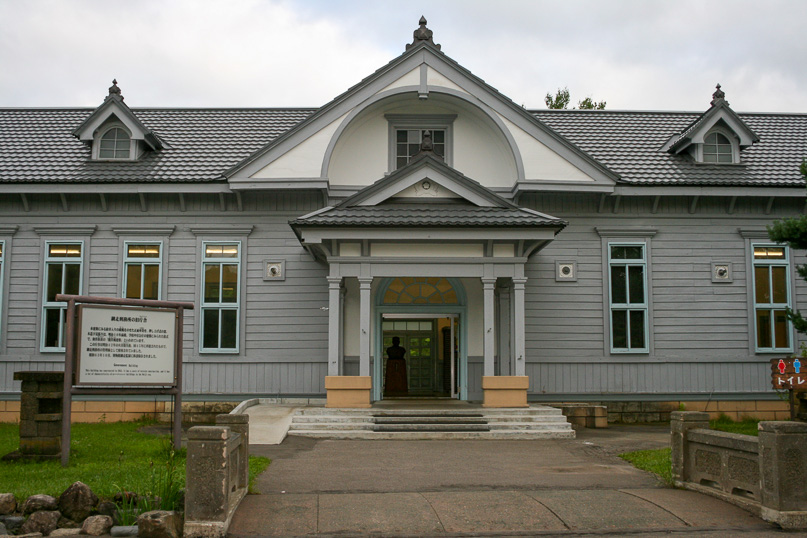 |
I begin the day exploring the notorious Abashiri Prison, where Japan's most notorious criminals were sent here in this most remote corner of the country. A new highly secure prison has now opened, so the old one has been repurposed into a museum. |
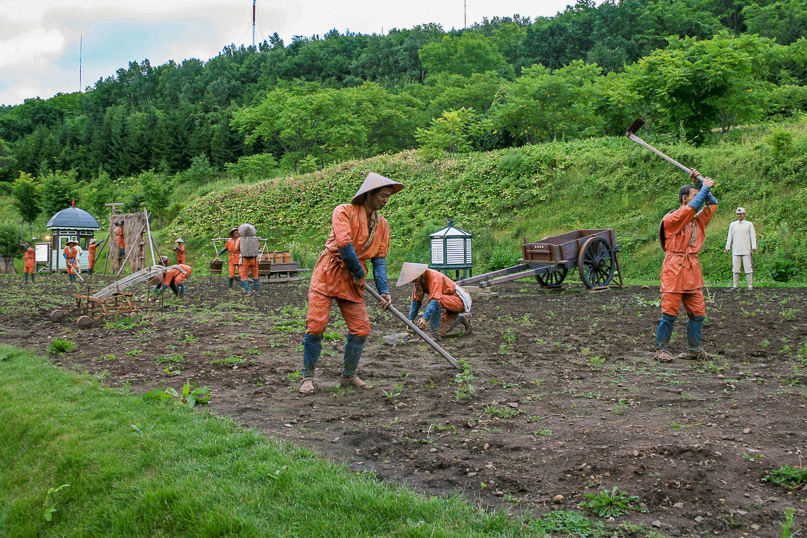 |
The prisoners were sent to work in the prison gardens and other industries to make the prison self sufficient. Very realistic models have been made of the prisoners to show what prison life was like. |
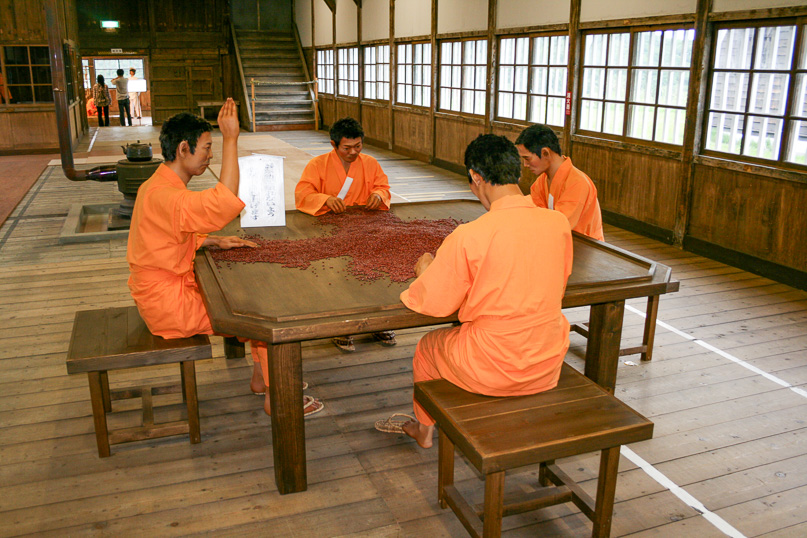 |
Prisoners working with harvested seeds in one of the indoor work areas, no doubt during the harsh winters. |
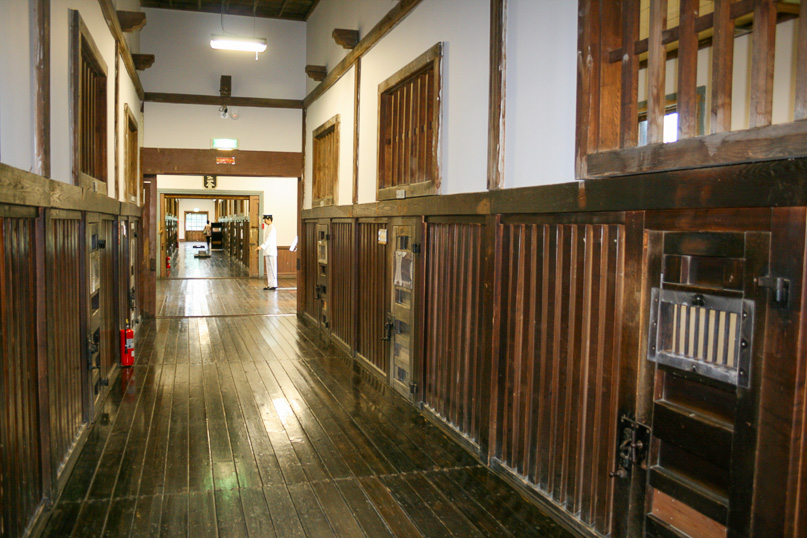 |
Exploring one of the numerous prison wings. A low heavy door led into each small cell housing the prisoners. |
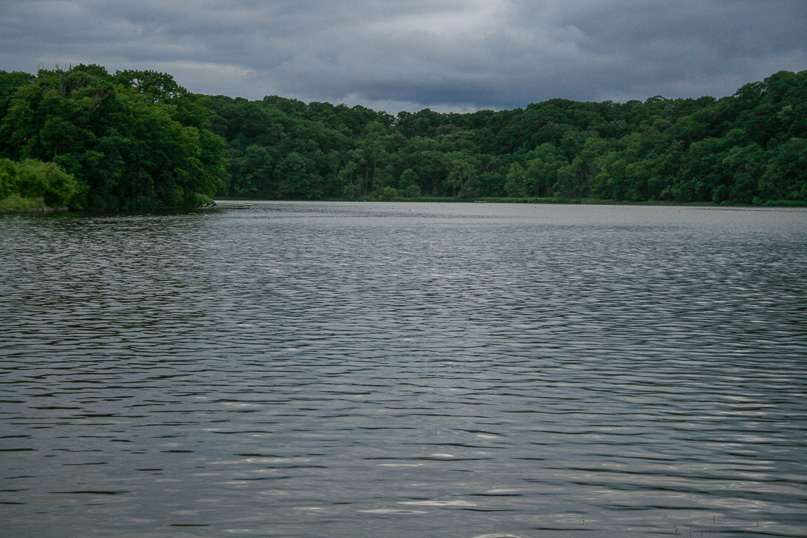 |
After exploring the prison I head across the road to Lake Abashiri, with the pristine Abashiri-Quazi National Park on the other side. |
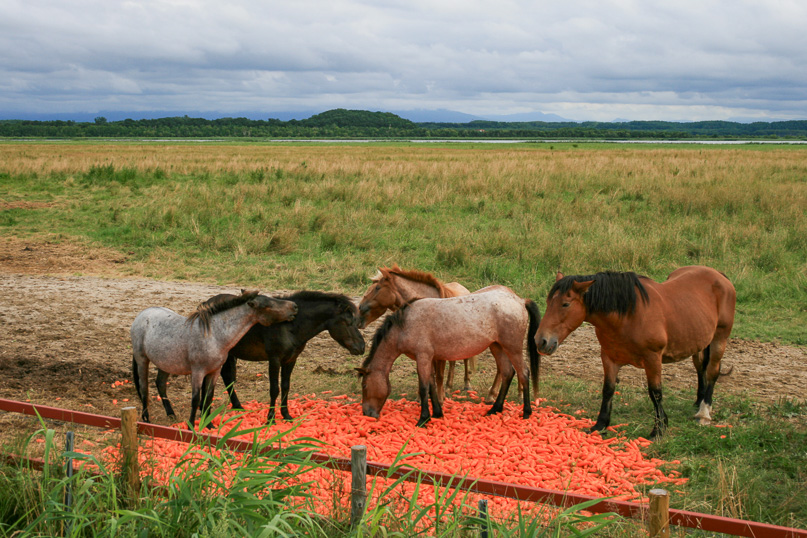 |
After stopping in Abashiri City, we head along the coast making a few stops. Here some horses are eating a lot of carrots fattening themselves up for the long coming winter. The shores of Lake Tofutsu is just visible in the distance. |
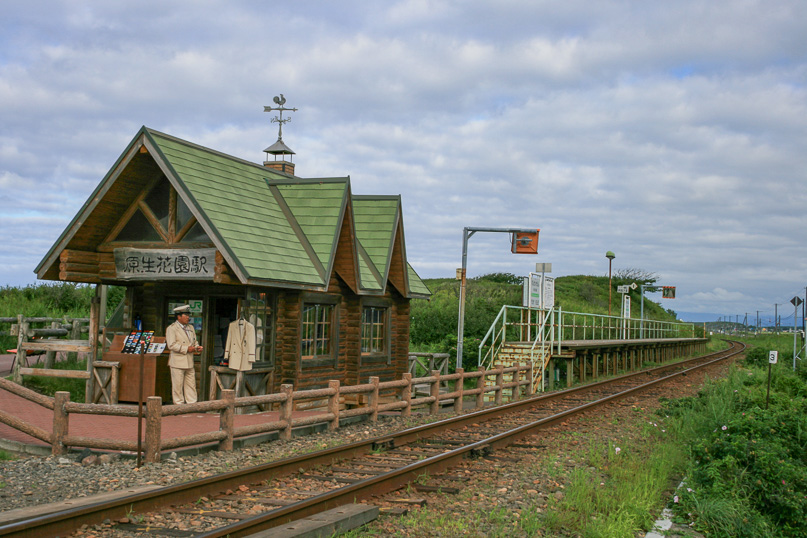 |
Across the road is the Semmo railway line linking Abashiri with the rest of the island. This railway line heads across the entire island to Sapporo on the other side. The Genseikaen Train Station is operated, so the daily train must be coming soon.
|
 |
Crossing the railway track, I head up onto the vegetated sand dunes of the Koshimizu Nature Reserve looking over the Sea of Okhotsk. This is a sea enclosed by the islands of Hokkaido and a string of Russian islands linking Hokkaido with the Kamkatchka Peninsula. Very cold air from Siberia freezes much of this sea in winter. Southward currents bring ice floes into this part of the ocean making shipping very difficult. |
 |
From here we head inland to Midori, the Japanese word for green. It is very well named with the lush vegetation. Here I stop at the pristine Sakura Falls on the Shari River to watch the salmon jump up the water to lay their eggs further upstream. |
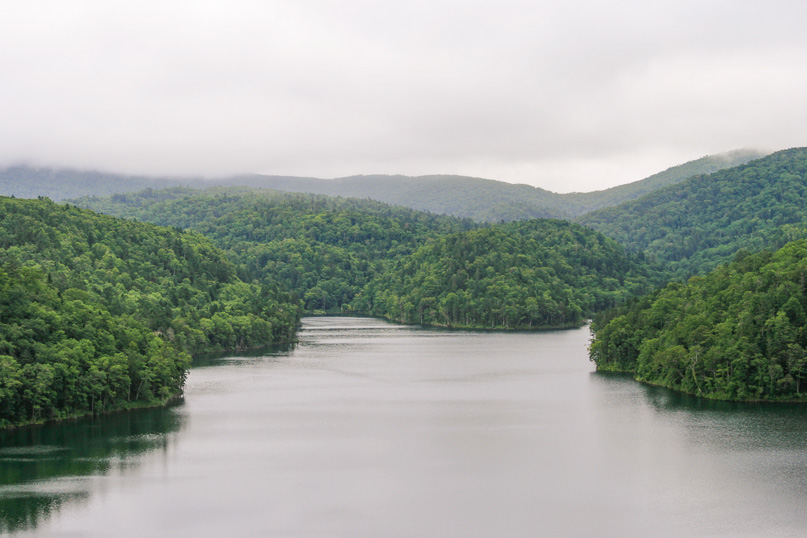 |
From the waterfall we head upstream along the Attack Cha River to Midori Dam, artificially dammed for the local water supply. |
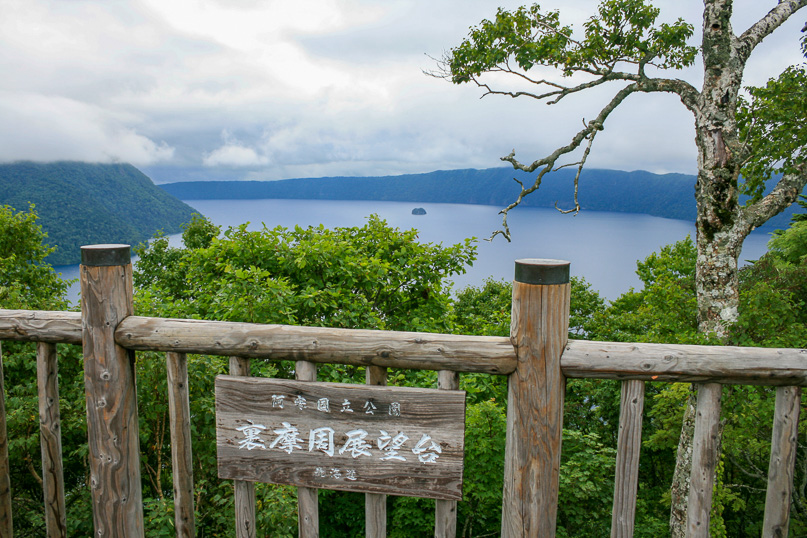 |
View over nearby Lake Mashu, an old volcanic caldera with the cloud covered Mount Kamui being its plug. The tiny island to the right is Kamishu Island. We are at the Uramashu Observatory. |
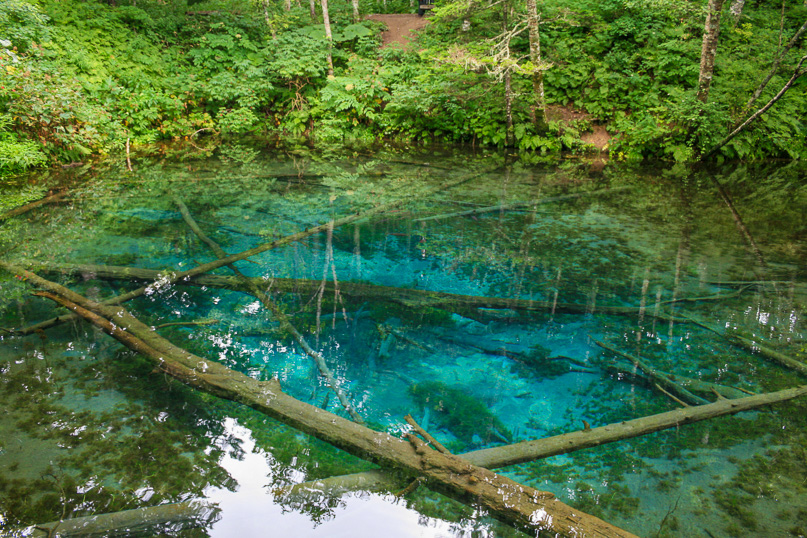 |
Heading back towards Kiyosato near the coast, we stop at Kaminokoike, a cold spring deep in the forest. |
|